Dislocated kneecap (Patella dislocation)
What is a patella dislocation?
A patella dislocation occurs when the kneecap (patella) moves out of its normal position, usually slipping towards the outside of the knee. This commonly happens during sporting activities, twisting movements, sudden changes of direction, or following a fall.
In many cases, the kneecap returns to its normal position on its own. Sometimes it requires assistance from a healthcare professional. If you kneecap has moved out of place and is not returning to it’s normal position, we would advise you attend the Emergency Department (ED) as it may need to be manipulated (put back into place).
Following a dislocation, the soft tissues that help stabilise the kneecap can become stretched or injured, leading to pain, swelling, and feelings of instability.
You may be provided with a brace in the Emergency Department – please see the knee brace guidance pages.
A patella dislocation occurs when the kneecap moves out of its normal position
Pain, swelling, and reduced confidence in the knee are common after injury
Early movement and exercise are important for recovery
Many patients are referred into a physiotherapy-led soft tissue pathway for rehabilitation
Most people recover successfully without surgery.
Strengthening and rehabilitation can help reduce the risk of future dislocations
Seek medical attention if symptoms worsen or the kneecap continues to dislocate
You may experience:
Pain at the front of the knee
Swelling, often developing rapidly after the injury
Bruising around the knee
Difficulty walking or weight bearing
A feeling that the knee is unstable or may "give way"
Reduced knee movement
Tenderness around the kneecap
These symptoms are normal following a patella dislocation and can take several weeks to improve.
Rest and Activity Modification
It is important to remain active within your comfort limits.
You should:
Walk as normally as possible
Gradually increase your activity as pain allows
Avoid twisting, pivoting, running, jumping, and high-impact activities during the early stages of recovery
Follow any advice given regarding a knee brace or support
You may have been provided with crutches. These should be used as required for comfort and gradually reduced as your walking improves.
Ice may help reduce pain and swelling.
Apply a wrapped ice pack to the affected area
Leave in place for 15 to 20 minutes
Repeat every 2 to 3 hours during the first few days if required
Do not apply ice directly to the skin.
Elevation
When resting, elevate your leg above hip level where possible to help reduce swelling.
Pain Relief
Simple pain relief such as paracetamol may help manage symptoms.
Always follow the instructions provided with the medication and seek advice from a pharmacist or healthcare professional if you are unsure whether these medications are suitable for you.
It is important to begin gentle movement exercises early to prevent stiffness and maintain muscle strength.
Carry out these exercises little and often throughout the day.
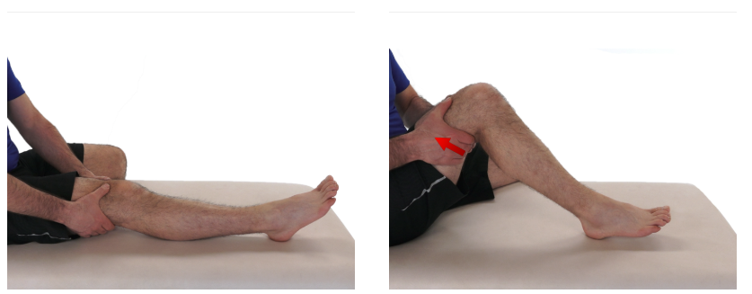
Knee Bends
Sit or lie down comfortably
Slowly bend the knee as far as comfortable
Slowly straighten the knee again
Repeat 10 times
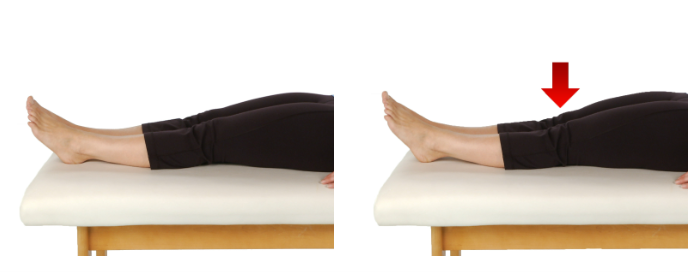
Knee Straightening
Sit with your leg out straight
Tighten the muscles on the front of your thigh
Push the back of your knee gently towards the bed or floor
Hold for 5 seconds
Repeat 10 times
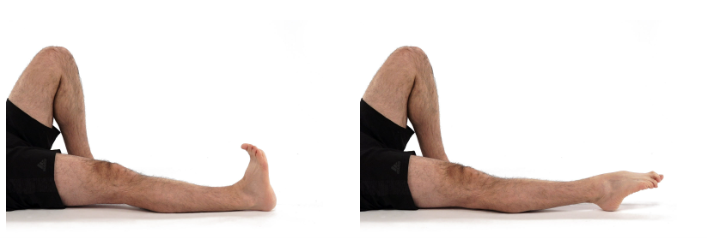
Ankle Pumps
Sit or lie comfortably with your leg supported
Slowly point your toes away from you
Then pull your toes back towards you
Continue moving your ankle up and down in a smooth pumping motion.
Repeat 10 to 20 times
Perform several times throughout the day
Aim to complete these exercises 3 to 4 times each day. Mild discomfort is normal, but pain should not significantly worsen following exercise.
Progressing Your Exercises
After approximately two weeks, as your pain and swelling improve, you may progress to some more challenging exercises to build strength and improve knee function.
Only progress to these exercises if you are able to complete the earlier exercises comfortably.
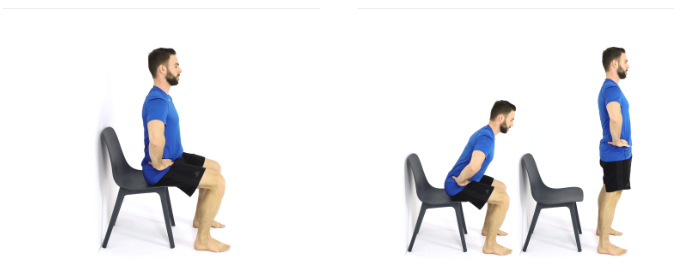
Standing from a Chair (Sit to Stand)
This exercise helps strengthen the muscles around your knee and hip.
Sit on a firm chair with your feet hip-width apart.
Lean slightly forwards
Stand up without using your hands if possible
Slowly lower yourself back to sitting
Repeat 10 times
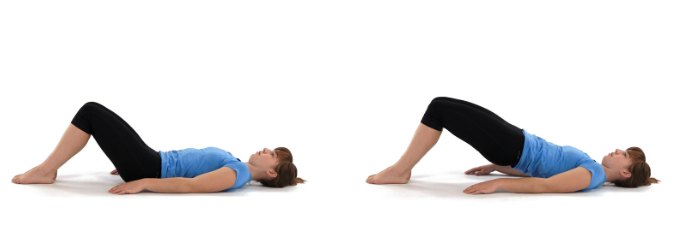
Bridges
This exercise strengthens your gluteal (buttock) muscles and the muscles at the back of your thigh.
Lie on your back with your knees bent and feet flat on the floor
Tighten your stomach and buttock muscles
Lift your hips off the floor until your body forms a straight line from your shoulders to your knees
Hold for 3 to 5 seconds
Slowly lower back down
Repeat 10 times
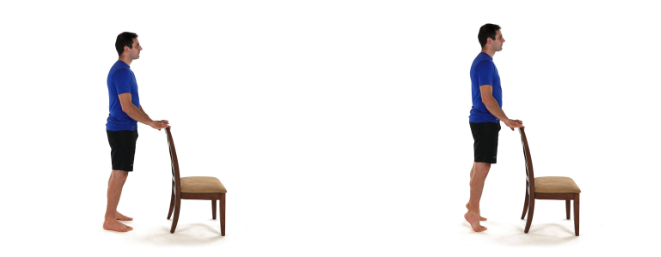
Calf Raises
This exercise helps improve strength and control in your lower leg
Stand holding onto a stable surface for support
Slowly rise up onto your tiptoes
Hold for 2 to 3 seconds
Slowly lower your heels back to the floor
Repeat 10 to 15 times
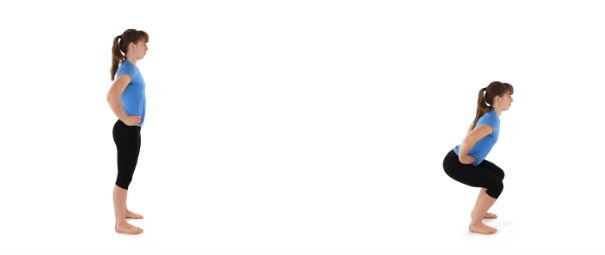
Squats
This exercise helps strengthen the muscles around your knee and improve stability.
Stand with your feet shoulder-width apart
Keeping your back straight, bend your knees and hips as though sitting down onto a chair
Only squat as far as comfortable
Return to standing
Repeat 10 times
Tip: Initially aim for a shallow squat and gradually increase the depth as your symptoms allow.
Exercise Guidance
Aim to complete your exercises 3 to 4 times per day
Mild discomfort is expected, but pain should not significantly increase during or after exercise
If swelling or pain worsens, reduce the intensity of the exercises and return to the previous stage for a few days
Continue to increase your walking and daily activities gradually as your confidence and strength improve
Recovery following a first-time patella dislocation can take several weeks to several months.
Recovery times vary between individuals and depend on the severity of the injury.
It is common to experience occasional discomfort, mild swelling, or apprehension when returning to activities during the recovery period.
You can gradually return to normal activities as:
Pain improves
Swelling reduces
Knee movement returns
Strength improves
You feel more confident using the knee
Higher-impact activities such as running, jumping, contact sports, and activities involving sudden changes of direction should only be resumed once you have regained adequate strength, balance, and stability.
Your physiotherapist can provide guidance on when it is safe to progress.
When Should I Seek Further Medical Advice?
Please seek medical attention if you develop:
Increasing pain or swelling
Inability to weight bear
Locking of the knee
Recurrent episodes of the kneecap dislocating
Significant instability or repeated giving way
Numbness or tingling in the leg or foot
Signs of infection such as increasing redness, warmth, fever, or feeling unwell
Physiotherapy
Many patients with a patella dislocation are referred directly from the Emergency Department into our soft tissue physiotherapy pathway.
If you are referred, you will be assessed by a physiotherapist who specialises in musculoskeletal injuries.
Your physiotherapist will:
Assess your knee and recovery progress
Discuss any ongoing symptoms or concerns
Provide education about your injury
Prescribe exercises to improve movement and strength
Help restore confidence and stability in your knee
Advise on returning to work, exercise, and sport safely
Strengthening the muscles around the knee and hip is an important part of recovery and may help reduce the risk of future dislocations.
Your rehabilitation programme will be tailored to your individual needs and adjusted as your recovery progresses.
It is important to attend any appointments offered and continue with the exercises prescribed by your physiotherapist.
Frequently Asked Questions
Do I need surgery?
Most first-time patella dislocations are treated without surgery. Surgery is usually only considered in specific circumstances, such as recurrent dislocations or certain associated injuries.
Is swelling normal?
Yes. Swelling is very common after a patella dislocation and may persist for several weeks.
Will I need a brace?
Some patients are provided with a knee brace for comfort and support in the early stages of recovery. Your clinician or physiotherapist will advise how long it should be worn, if applicable.
Can I drive?
If you are able to operate a clutch, brake, accelerator and can perform an emergency stop without issues, then you are safe to drive. Your physiotherapist or doctor may advise you on a timeframe and it is important you follow this advice.
If you are required to wear a brace, you may not drive until you are advised to remove the brace.