Soft Tissue Knee Injury
What is a Soft Tissue Knee Injury?
A soft tissue knee injury affects the structures around the knee joint including ligaments, tendons, muscles, and cartilage. These injuries are very common and can occur following incidents such as a twist, fall, sporting activity, or direct impact to the knee.
You can also get some pain into your knee following a sudden change or increase in an activity which can overload the tissues and cause them to become inflamed (e.g. spending all day in the garden or starting running after a long break).
Common soft tissue injuries include:
Knee sprains (stretched or torn ligaments)
Muscle or tendon strains
Bruising to the soft tissues around the knee
Minor cartilage injuries
Many soft tissue knee injuries improve without surgery and can be safely managed with self-care, exercise, and a gradual return to normal activities.
Most soft tissue knee injuries improve with time and simple self-management
Keep the knee moving within comfort limits
Manage swelling with ice and elevation
Perform regular exercises to regain movement and strength
Gradually return to normal activities as symptoms improve
Seek medical advice if symptoms worsen or the knee becomes increasingly unstable
Remember: some pain and swelling during recovery are normal. Steady improvement over time is the most important sign that your knee is healing well.
You may experience:
Pain around the knee
Swelling
Stiffness
Bruising
Difficulty bending or straightening the knee
Limping or discomfort when walking
A feeling that the knee is weak or unstable
These symptoms often improve significantly over the first few weeks.
Rest and Activity Modification
Complete rest is not usually recommended. Gentle movement helps prevent stiffness and promotes recovery.
You should:
Walk as normally as possible within your pain limits
Avoid activities that significantly increase your pain
Gradually increase activity as symptoms improve
You may have been provided with crutches. These should be used only for comfort and reduced as soon as you can walk comfortably.
Ice
Ice can help reduce pain and swelling.
Apply a wrapped ice pack or frozen peas to the affected area
Use for 15 to 20 minutes at a time
Repeat every 2 to 3 hours during the first few days if helpful
Never place ice directly onto the skin
Elevation
Elevate the leg above hip level whenever possible, especially during the first few days following injury.
This can help reduce swelling.
Pain Relief
If appropriate for you, simple pain relief such as paracetamol, may help manage symptoms.
Always follow the instructions on the packet and seek advice from a pharmacist or healthcare professional if you are unsure whether these medications are suitable for you.
It is important to start gentle movement early.
Perform these exercises little and often throughout the day.
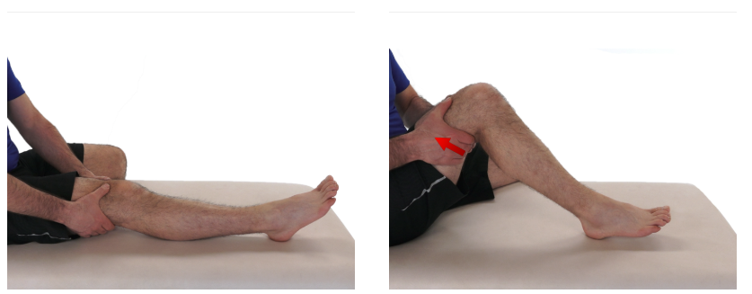
Knee Bends
Sit or lie down comfortably
Slowly bend the knee as far as comfortable
Slowly straighten the knee again
Repeat 10 times
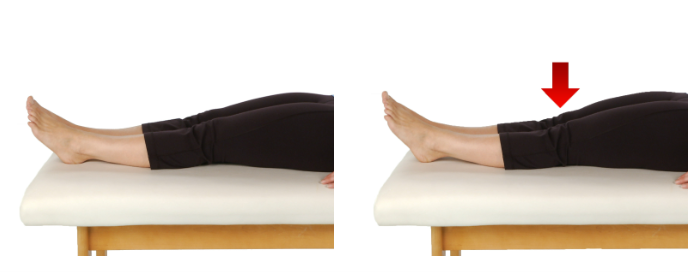
Knee Straightening
Sit with your leg out straight
Tighten the muscles on the front of your thigh
Push the back of your knee gently towards the bed or floor
Hold for 5 seconds
Repeat 10 times
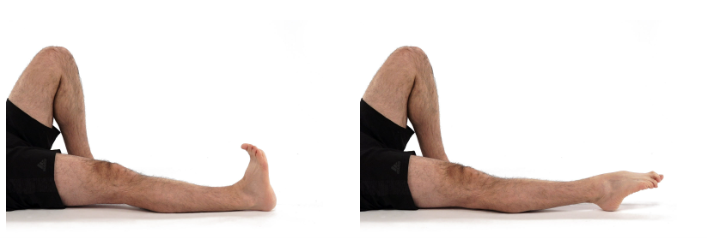
Ankle Pumps
Sit or lie comfortably with your leg supported
Slowly point your toes away from you
Then pull your toes back towards you
Continue moving your ankle up and down in a smooth pumping motion.
Repeat 10 to 20 times
Perform several times throughout the day
Recovery times vary depending on the severity of the injury.
Depending on the severity soft tissue knee injuries can take between 6-12 weeks to heal. However, experiencing discomfort and swelling for longer than this is normal for this type of injury.
Some swelling and discomfort with activity can persist for a number of weeks and does not necessarily indicate further injury.
There are certain things that can impact your healing, such as smoking, alcohol and other lifestyle choices.
Visit our general advice page for more information on this.
You can gradually return to normal activities when:
Pain is improving
Swelling is reducing
You can walk comfortably
You have regained movement and confidence in the knee
Return to sport or high-impact activities gradually and avoid pushing through significant pain.
If under physiotherapy, your physiotherapist can provide advice regarding returning to specific sports and will progress your exercises to target more sport specific activities.
Normally, the twisting or change of direction element is the area that takes the longest to rehabilitate.
Physiotherapy
Following assessment in the Emergency Department, some patients with soft tissue knee injuries may be referred directly into our physiotherapy-led soft tissue pathway for further assessment and rehabilitation.
If you are referred, you will be assessed by a physiotherapist who specialises in musculoskeletal injuries.
During your appointment, they will:
Assess your knee injury
Discuss your symptoms and any ongoing concerns
Provide advice and education about your injury
Prescribe exercises tailored to your stage of recovery
Help you improve knee movement, strength, balance, and function
Advise on returning to work, sport, and other activities safely
Physiotherapy plays an important role in the recovery of many soft tissue knee injuries. Early rehabilitation can help reduce pain, restore movement, improve strength, and support a return to normal daily activities.
Not all soft tissue knee injuries require ongoing physiotherapy. Following the advice and exercises provided can often be enough to achieve a full recovery. However, if physiotherapy input is appropriate, this will be discussed with you and arranged.
What Should I Expect?
Your physiotherapist will work with you to develop an individual management plan based on your injury, symptoms, and goals. Recovery times vary, and your rehabilitation programme may be adjusted as your knee improves.
It is important to attend any appointments offered and continue with your exercises regularly, as this can have a significant impact on your recovery.
If it is identified that you require further input or management, this will also be discussed with you during your physiotherapy appointment.
Frequently asked questions
Do I need a scan?
Not all knee injuries require an MRI scan or X-ray. Many soft tissue injuries can be diagnosed through clinical assessment and improve with conservative management.
Is swelling normal?
Yes. Swelling is common after a knee injury and may persist for several weeks.
Should I wear a knee brace?
A brace may provide comfort and confidence in the early stages but is not usually needed long-term. Maintaining movement and strength is more important for recovery.
You may be provided with a brace by the Emergency Department or Physiotherapy, please see our webpage on knee brace guidance for further help.